This MSc programme combines investment in engineering with existing and substantial expertise across the Faculty of Science in the fields of applied mathematics, energy resources, environmental management and electronic engineering. The programme has been developed in partnership with industry and employers through close collaboration with the East of England Energy Group (EEEGR), aiming to address the national and regional shortage of high-calibre qualified graduates in the field of Energy Engineering.
The Faculty of Science houses an impressive base of engineering knowledge. It is internationally renowned for our research and teaching in many relevant fields, including Applied Mathematics, Computer Systems Engineering, Geophysical Sciences and Physical Oceanography and Physical Chemistry, to name but a few. This existing expertise will ensure that this MSc programme equips students with training in the fundamentals of engineering, along with its application to the energy industry.
All students will be required to undertake a substantial engineering project as part of the MSc programme, and it is anticipated that many students will have the opportunity to undertake the practical elements of this project in an industrial setting within the energy sector. Accreditation has been awarded by the Energy Institute to allow graduates partial exemption towards CEng status. This programme will offer excellent career prospects to graduates. Employers have identified a shortage of engineers in the energy sector, so high calibre graduates from this programme will be in demand.
Why choose MSc Energy Engineering with Environmental Management?
A Unique Partnership with Industry The degree programmes have been set up in close collaboration with the East of England Energy Group(EEEGR). The Skills for Energy sub-group of EEEGR provides energy engineering students with industry-driven case studies, site visits, on-site lectures, breakfast meetings and sponsored equipment.
Teaching Excellence The quality of teaching within all Schools in the Faculty of Science was rated very highly in recent external assessment exercises, as reflected in our consistently high National Student Survey results. The University continuously listens to feedback from students about how to improve our courses.
Research Quality The Faculty of Sciences has an excellent reputation for conducting world-class interdisciplinary research. In the 2014 Research Excellence Framework 84% of our Science research output was judged to be world-leading or internationally excellent.
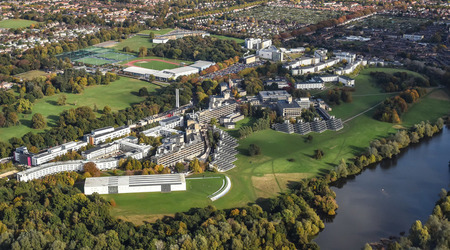
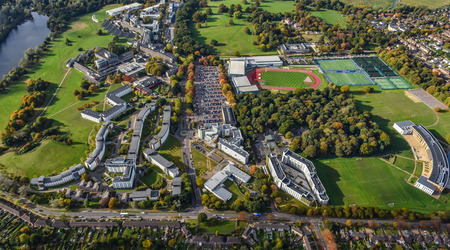
The University of East Anglia is based in the vibrant city of Norwich, located in the east of England. The city is less than two hours by train from London and is a unique blend of historic English architecture and modern design, which creates a dynamic and unforgettable atmosphere.
Norwich is home to eight theatres, five museums, four cinemas, two cathedrals, four music venues and a castle. There are 300 pubs, restaurants and bars,1500 historic buildings as well as modern developments such as The Forum, which is the home of the regional BBC studio and the award-winning Millennium Library.
As a base for exploring Britain, Norwich is just a short journey from Cambridge and other key cities with coaches and trains conveniently connecting you with the rest of the UK. International students are also able to take advantage of Norwich International Airport which is conveniently located 15 minutes from campus.
Have questions? Book a free 15-minute consultation
If you have a question about higher education abroad, get a free 15-minute consultation from Education Index specialists.




 The Faculty of Science houses an impressive base of engineering knowledge. It is internationally renowned for our research and teaching in many relevant fields, including Applied Mathematics, Computer Systems Engineering, Geophysical Sciences and Physical Oceanography and Physical Chemistry, to name but a few. This existing expertise will ensure that this MSc programme equips students with training in the fundamentals of engineering, along with its application to the energy industry.